Laser Resurfacing Explained: CO2, Erbium, Fractional Treatments and Recovery
Understand what skin resurfacing does, how the laser names fit together and what recovery really involves. Compare treatment goals, risks, costs and alternatives before your consultation.
Save my consultation questions ↗Laser resurfacing, explained simply
What it can improve
Selected wrinkles, sun-related skin changes and scars. The appropriate treatment depends on what is causing the concern.
What the names mean
CO2 and erbium describe laser technology. Ablative describes tissue removal. Fractional describes a pattern of small treatment zones.
What recovery involves
Some procedures create a surface wound that needs daily care. Others leave the surface without open ablated channels but can still cause redness and swelling.
What to compare
The exact treatment, expected improvement, skin-tone considerations, recovery instructions and full treatment plan cost.
What is laser skin resurfacing?
Laser resurfacing uses controlled light energy to change targeted skin tissue and stimulate repair. Depending on the treatment, it removes tissue at the surface, heats tissue without removing an open surface layer, or combines those effects. Healing and collagen changes can improve certain wrinkles, texture concerns and scars.
It is not one standardized facial. A light fractional treatment and a more extensive ablative procedure can involve very different preparation, comfort measures and recovery. The useful question is what improvement the proposed procedure is intended to produce for your skin. Mayo Clinic overview.
If you are looking at advertisements for CO2, erbium, Fraxel, HALO or CoolPeel, it can sound as though all the names describe competing categories. Some describe the laser, some the treatment pattern and some a branded device or procedure. Understanding those terms makes a consultation much easier to follow.
Ablative vs non-ablative: what happens to the skin?
Ablative resurfacing removes tissue. The treated surface then needs to heal. Non-ablative resurfacing heats selected tissue without creating the open, removed channels of an ablative treatment. It can still cause inflammation and visible recovery. “Non-ablative” does not mean nothing happens to the skin. ASDS ablative treatment overview. ASDS non-ablative treatment overview.
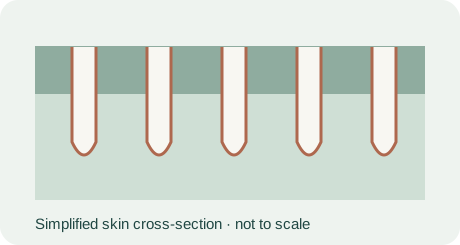
Fractional means the device treats small zones separated by intervening tissue. That pattern can be used with either an ablative or a non-ablative laser. The untreated spaces help recovery; they do not remove all risk. DermNet fractional treatment explanation.
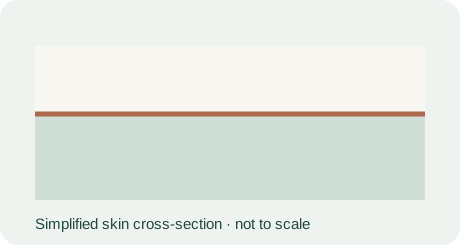
Full-field ablative
Fractional ablative
Fractional non-ablative
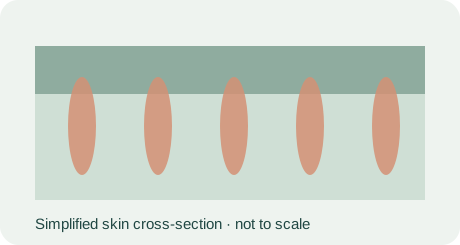
Conceptual illustrations explain the treatment patterns only. Channel depth, width and density vary, and these drawings cannot be used to select settings. Skin layers and treatment zones are not to scale.
CO2, erbium and fractional laser: how the terms fit together
| Term | What it describes | What it helps you understand |
|---|---|---|
| CO2 laser | A carbon-dioxide laser, commonly used for ablative resurfacing. | It may treat a continuous area or a fractional pattern. The proposed intensity and pattern still affect recovery. |
| Erbium:YAG, or Er:YAG | An ablative laser with a 2,940 nm wavelength absorbed strongly by water. DermNet explanation. | This is different from erbium-glass systems used in non-ablative resurfacing. “Erbium” alone leaves an important detail missing. |
| Non-ablative erbium-glass | A different laser technology, commonly associated with 1,550 nm fractional treatment. DermNet overview. | The similar name does not mean the same tissue effect as Er:YAG. |
| Fractional | The pattern: small treatment zones separated by intervening tissue. | It does not, by itself, say whether tissue is removed. |
| Hybrid fractional | A system combines ablative and non-ablative components. | Both components and the actual procedure need to be explained. |
| A brand or treatment name | A commercial name for a device, platform or protocol. | Get the full device and treatment description so you know what is proposed. |
Where Fraxel, HALO and CoolPeel fit
| Example name | Technology described by its manufacturer | Useful follow-up |
|---|---|---|
| Fraxel DUAL | Fractional non-ablative 1,550 nm and 1,927 nm wavelengths. | Which wavelength or combination is proposed, and for what concern? Other products using the Fraxel name can differ. |
| HALO | Hybrid fractional treatment using 1,470 nm non-ablative and 2,940 nm ablative components. | What will each component contribute, and what recovery should this treatment involve? |
| CoolPeel | A fractional ablative CO2 treatment offered on specified Cartessa systems. | What does the advertised lighter recovery mean for your treatment area, skin and settings? |
These manufacturer sources identify technology; they do not independently prove that one option is safer, better or suitable for everyone. Compare an actual treatment proposal. Two appointments on the same platform can differ in intensity, area and aftercare.
What can resurfacing improve, and when might another treatment fit better?
| Your main concern | What resurfacing may contribute | What may need a different discussion |
|---|---|---|
| Fine lines and sun-related roughness | Selected treatments can improve surface appearance and collagen-related texture. | Significant sagging or lost volume may not respond enough to meet your goal. |
| Depressed acne scars | Resurfacing can soften selected scar contours. | A deep narrow scar or a scar tethered underneath may need a targeted method as part of the plan. |
| Brown marks or uneven color | Certain procedures target sun-related pigment changes. | Melasma and a history of post-inflammatory darkening need a careful assessment; treatment can worsen pigment. |
| Redness or visible vessels | A clinician can determine whether a vascular treatment is more appropriate. | Resurfacing is not the automatic answer to every red patch. |
| Active breakouts or irritated skin | The consultation can identify what needs treating first. | New inflammation can continue to create marks and scars. A resurfacing appointment may need to wait. |
The AAD describes scar plans that combine methods according to scar type, while Mayo Clinic notes that resurfacing cannot correct sagging skin. DermNet also flags pigment changes when fractional treatment is used for conditions such as melasma. AAD acne-scar treatment. Mayo Clinic expectations. DermNet pigment cautions.
Understand acne marks, pores and structural scars ↗Does laser resurfacing hurt? Numbing cream, nerve blocks and sedation
Laser resurfacing can feel hot, sharp or stinging. How much pain control you need depends on the area, depth and intensity of the procedure, as well as your own response. The plan should be settled before the appointment, with a way to pause or adjust it if you are uncomfortable.
| Treatment intensity | Comfort measures you may encounter | What to clarify beforehand |
|---|---|---|
| Lighter fractional non-ablative treatment | Topical anesthetic cream, sometimes containing lidocaine, plus cooling such as chilled air. | Whether numbing time is included in the appointment and what sensation to expect during treatment. |
| Fractional ablative treatment, including fractional CO2 | Topical anesthetic may be combined with injected local anesthetic, nerve blocks or other prescribed pain relief. The plan varies with the treatment intensity. | Whether cream alone is expected to be adequate and what the team can do if it is not. A brand name such as CoolPeel does not fix the anesthetic plan. |
| Extensive or deeper full-field ablative treatment | A more involved plan may include local anesthetic injections or facial nerve blocks, with oral or IV sedation when appropriate. | Who administers and monitors anesthesia, where treatment takes place, transport home, fasting instructions and whether someone must stay with you. |
A nerve block is an injection that numbs a region served by a nerve, similar in principle to dental numbing. Sedation makes you calmer or drowsier; it is not automatically the same as being fully asleep, and it does not replace every form of pain control. Do not assume that every full-face laser requires IV sedation or that numbing cream will cover every ablative procedure.
ASDS non-ablative guidance describes topical numbing. A fractional CO2 expert consensus describes combinations including cream, nerve blocks and oral pain relief. Mayo Clinic’s procedure overview discusses sedation for some full-face treatments.
- The clinician reviews the treatment plan, skin history and relevant medicines.
- The area is prepared, appropriate eye protection is used and the agreed comfort measures are provided.
- The laser is applied to the planned areas. Tell the team about pain rather than trying to endure more than agreed.
- Before leaving, you receive written care instructions, follow-up details and a contact for concerns.
Do not buy stronger numbing cream or add sedating medicines yourself. Your team needs to control the amount, application area and combinations used.
Laser resurfacing recovery: skin healing, social downtime and results
Three clocks are running after treatment: the surface heals, visible redness or roughness settles, and the longer-term result develops. Returning to a desk job does not mean the skin has finished healing or that the result is final.
| Treatment pattern | What recovery may involve | What to plan around |
|---|---|---|
| More extensive ablative resurfacing | An open treated surface, daily wound care and potentially substantial redness. Mayo Clinic describes new skin coverage around 7–10 days, with full recovery taking at least a month in its general ablative guidance. | Time for care, follow-up and ongoing protection after the surface closes. Your procedure may follow a different timeline. |
| Fractional ablative resurfacing | Separated wounds can reduce the healing burden compared with a comparable continuous treatment, but oozing, crusting, redness and swelling can still occur. | The density, depth, area and aftercare matter more than the word fractional alone. |
| Fractional non-ablative resurfacing | Redness, swelling and a rough or bronzed appearance can still be noticeable. Protocols differ in how much visible change follows. | Confirm expected days of visibility, when makeup is permitted and whether repeated visits are planned. |
The ASDS describes ablative healing time varying with depth and laser type. DermNet’s fractional guide describes visible changes that can persist after someone feels ready for normal activities. These sources cover different procedures; their timeframes should not be combined into a universal day-by-day promise. ASDS recovery. DermNet fractional recovery.
Why the result takes longer
A fresher-looking surface may appear before collagen-related improvement is complete. The AAD notes that laser scar results can take months to appreciate. Have a specific review point and consistent photographs, rather than judging the final result during early swelling. AAD laser-scar expectations.
For planning, get written answers to four practical questions: when can I wash normally, wear makeup, exercise and resume sun-exposed work? If your work involves heat, sweat, protective masks or outdoor time, mention it. Your recovery plan needs to fit your actual day.
Ablative laser aftercare: vinegar soaks, ointment and daily wound care
After an ablative treatment, you may be caring for tender, weeping or crusting skin. The practical commitment can include repeated gentle cleansing, fresh ointment and dressings, rather than your usual morning skincare routine. The exact routine depends on how much surface skin was removed.
Cleansing and prescribed soaks
Some care plans include diluted white-vinegar soaks or washes. White vinegar contains acetic acid. These may help soften surface debris as part of wound care. Get the clinic’s dilution, water instructions and schedule in writing; do not apply undiluted vinegar or improvise a recipe.
A protective ointment layer
A clinician may specify plain petrolatum, such as original Vaseline, to keep the wound moist. Expect a shiny, greasy surface and time spent gently renewing the prescribed layer. Aquaphor is a different, multi-ingredient ointment, not simply another name for plain petrolatum; use the named product your team recommends.
Clean supplies and time at home
Have the specified cleanser, gauze, ointment and any dressings ready. Your instructions should explain cleaning frequency and when to change dressings. Keep makeup, scrubs and unapproved active skincare off the healing surface.
Memorial Sloan Kettering’s fractional CO2 instructions illustrate a real care plan involving diluted vinegar cleansing and clinician-selected wound products. Its schedule is for its patients and procedures. Your written plan may use a different cleanser, dressing or frequency.
Do not scrub away crusts or restart retinoids and acids while the skin is still healing. Protect the area from sun exposure and follow instructions for restarting sunscreen and makeup. If the prescribed routine burns substantially, seems to worsen irritation or is unclear, contact the treating team before repeating it.
Why might you need valacyclovir before laser resurfacing?
Valacyclovir, also sold as Valtrex, is an antiviral medicine sometimes prescribed before facial resurfacing to prevent a cold-sore virus outbreak. This preventive use is called antiviral prophylaxis. Resurfacing can reactivate herpes simplex virus (HSV), and infection across healing skin can delay recovery and cause scarring.
For fully ablative facial resurfacing, a 2025 expert consensus supports preventive antivirals even without a known cold-sore history. It favors valacyclovir when suitable, beginning before treatment and continuing while the surface heals. This recommendation concerns fully ablative treatment, not every light fractional session. 2025 fully ablative consensus.
You may receive instructions to start a day or more beforehand. A randomized study found preventive benefit with valacyclovir started the day before or the day of resurfacing; protocols also vary by procedure and clinician. Clinical trial.
Tell the clinician about cold sores, kidney problems, relevant medicines and any previous antiviral reaction. Get the actual prescription and start date before treatment. If you forget a prescribed dose or develop a new sore, contact the team rather than changing the schedule yourself.
Laser resurfacing risks: dark marks, pale patches and skin tone
Possible complications include burns, infection, scarring and changes in skin color. Darkening and loss of pigment are different problems. They can require different care, and neither should be dismissed as simply part of getting a better result.
| Pigment change | What it means | What recovery can involve |
|---|---|---|
| Post-inflammatory hyperpigmentation (PIH) | Inflammation triggers extra pigment, leaving darker marks or patches. It is more common in medium to deep skin tones. | It may fade over months, but can persist. A dermatologist may recommend pigment treatment after assessing the cause and whether the skin has healed. |
| Hypopigmentation | The skin produces less pigment and looks lighter than the surrounding area. More severe pigment injury can leave distinctly pale or white patches. | After ablative resurfacing, pigment loss can appear later and may be permanent. A visible contrast can remain between treated and untreated skin. |
The AAD explains why inflammation can trigger dark spots. Sun protection and clinician-directed treatments, sometimes including prescription hydroquinone, may help selected cases. Do not start a bleaching product on a fresh resurfacing wound. Pigment loss needs a different assessment; treating pale skin as a dark spot will not restore its color.
The 2025 fully ablative consensus recognizes delayed, sometimes permanent hypopigmentation. It also identifies higher PIH risk in darker skin, but does not treat darker skin alone as an absolute contraindication. More aggressive treatment requires particularly careful selection; fractional treatment is not automatically risk-free.
For medium or deep skin tones, the consultation should explain why this depth and treatment pattern are appropriate, what alternatives may carry less pigment risk and how a complication would be managed. Look for experience treating your concern in similar skin tones, with photographs taken after meaningful follow-up. A lighter-looking after-photo can reflect lighting, fading dark marks or unwanted pigment loss; the image alone does not settle which.
Tell the clinician about previous pigment changes after irritation, unusual scarring, cold sores, recent tanning and all medicines. A patch test or cautious plan may inform care, but cannot guarantee that a full treatment will have no complication. Mayo Clinic risks and screening.
How much does laser resurfacing cost?
The treated area, laser procedure, anesthetic plan, number of visits and included follow-up all affect the total. A small eyelid-area treatment and a full face treatment are different scopes. A low per-session price may also be part of a longer series.
| Published example | Posted price | Scope note |
|---|---|---|
| Alma Hybrid CO2 full face | $1,800 | One practice’s posted price, not a nationwide average. |
| Alma Hybrid CO2 face and neck | $2,200 | Larger stated area. Confirm the actual plan and included services. |
| Eye-area treatment and eye-shield line items | $700 and $200 respectively | The list separates these items; confirm which apply to a particular proposal. |
View the source price list. These observations describe its advertised service labels. We have not obtained an individual quote or independently compared outcomes.
Have the consultation, anesthesia, aftercare, follow-up and any later treatments itemized. If a package is offered, clarify cancellation, expiry and unused-session terms. An assessment may change the plan, so understand what happens to prepaid money if treatment is postponed or no longer appropriate.
Build a treatment budget around the complete proposal ↗How does resurfacing compare with other skin treatments?
| Option | Main purpose to discuss | What changes the decision |
|---|---|---|
| Skincare and sun protection | Support skin health and address selected surface or color concerns over time. | Lower procedural burden, but established structural scars may need more than topical care. |
| Microneedling | Small mechanical needle injuries stimulate repair for selected texture and scar concerns. | Different mechanism and recovery; suitability still needs assessment. |
| RF microneedling | Needles deliver radiofrequency heat for selected remodeling goals. | It is not a laser or a risk-free substitute. Review its specific risks and proposed benefit. |
| Targeted scar procedures | Address particular deep or tethered scars. | A combination may make more sense than treating the entire surface more aggressively. |
| Peels or other light-based treatments | Depending on the procedure, address selected surface, pigment or redness concerns. | Depth, target and recovery vary. IPL is light-based treatment, not a resurfacing laser. |
For acne scars, the AAD describes individualized combinations. Our microneedling vs RF comparison explains what adding heat changes, and the skin-treatment comparison helps separate texture, pigment and other goals. None of these options is automatically the safest or best for every reader. AAD scar treatment options.
Laser resurfacing questions
Is fractional laser the same as CO2?
No. Fractional describes a treatment pattern. CO2 describes a laser technology. A treatment can be both fractional and CO2, but other fractional treatments use different lasers.
Is erbium always gentler?
The full name matters: ablative Er:YAG and non-ablative erbium-glass are different technologies. Intensity, pattern, area and your skin also affect recovery. Ask for the actual procedure description.
Will one session be enough?
That depends on the concern, desired improvement and procedure. Get the expected number of visits and a review point. One stronger treatment and several lighter sessions are not automatically equivalent.
How long will the results last?
The answer depends on what improved and how your skin changes afterward. Ongoing sun exposure, aging and new acne can affect appearance. Ask which changes may be lasting and whether any maintenance is optional or expected.
Can a laser remove every acne scar?
Complete removal is not a realistic general promise. A plan may soften some scars and use targeted techniques for others. Look for a clear explanation of what is likely to remain.
Turn an unfamiliar treatment name into a clear plan.
Save questions about the exact laser, expected improvement, comfort, recovery and full cost. Bring them to your consultation before choosing a package.
Save my laser consultation questions ↗Sources and editorial notes
Sources checked September 16, 2026. Clinical review is pending. NuWays MD is an education and referral publication, not a medical provider. This guide is not medical advice.
- Cleveland Clinic laser resurfacing: candidacy considerations; treatment selection is individual.
- Mayo Clinic laser resurfacing: overview, risks, limitations and general ablative healing context.
- ASDS ablative resurfacing: procedure, preparation and wound care.
- ASDS non-ablative resurfacing: mechanism, comfort and aftercare.
- DermNet fractional laser treatment: fractional patterns and technology; older background guide, not a universal current protocol.
- DermNet Er:YAG treatment: the ablative 2,940 nm erbium:YAG laser.
- AAD laser treatment for scars: consultation, realistic improvement and delayed results.
- AAD acne-scar treatments: individualized and combined treatment options.
- Fraxel manufacturer brochure: DUAL wavelengths and technology identification only.
- Sciton resurfacing overview: HALO hybrid wavelengths only.
- Cartessa CoolPeel overview: treatment classification only.
- Central Minnesota Dermatology price list: a dated observation of posted service prices, not a market survey.
- Memorial Sloan Kettering fractional CO2 aftercare: an institutional example of cleansing, wound products and signs that need contact.
- 2025 fully ablative facial resurfacing consensus: preventive antiviral care and pigment complications; expert consensus with a defined procedural scope.
- Randomized valacyclovir prevention trial: starting before versus on the day of resurfacing; not a personal prescription.
- Fractional ablative CO2 expert consensus: anesthetic approaches vary and can combine several methods.
- AAD guidance on dark spots in darker skin: post-inflammatory hyperpigmentation and treatment context.
- Aquaphor Healing Ointment ingredient information: 41% petrolatum with other ingredients; product identification only.
Original diagrams, calculations and fictional examples explain the topic; they do not represent clinical testing or market averages. Our editorial and commercial standards.